Building Erection Technique
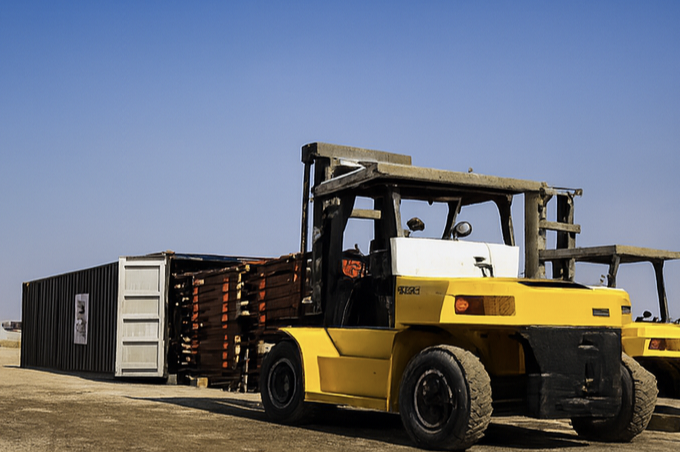
Any metal building system, no matter how well designed, may become a continuous source of problems if installed incorrectly.
Erection of metal buildings is a specialized field in which the builder's success depends on years of experience with a particular system or manufacturer.
There is no single perfect way to construct a metal building, even in theory, as various manufacturers suggest slightly different methods of assembly, and erection techniques of various crews differ. It is important that the customer selects an experienced and approved building contractor for erection of his building.
Anchor Bolts Installation
Anchor bolts should be installed only as per the "Issued for Construction" Anchor Bolt Setting Plan Only, and strict adherence to this drawing is required when placing anchor bolts prior to pouring of concrete for pedestals. Note: Never use Approval Drawings of Anchor Bolt Setting Plan for setting anchor bolts.
Material Storage
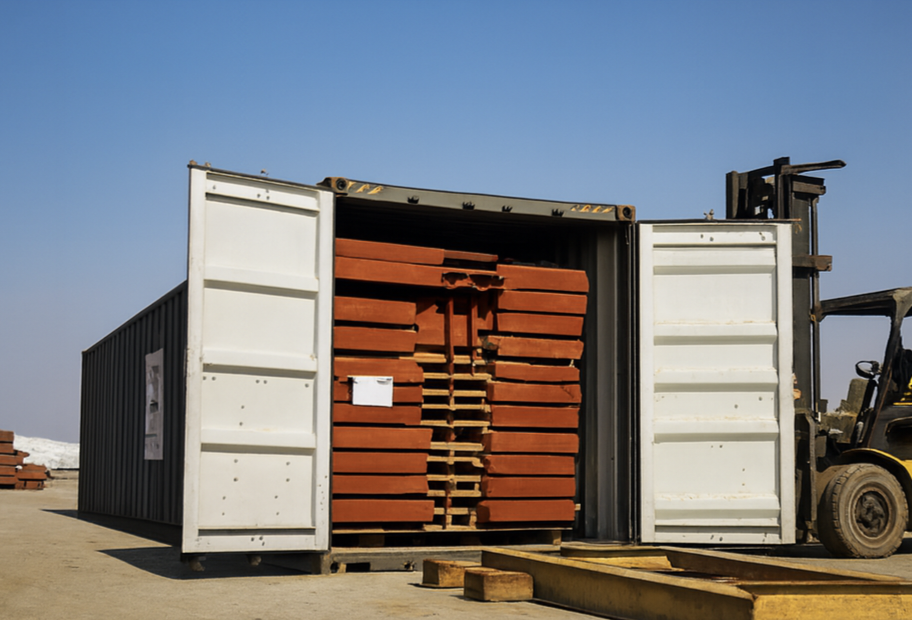
Upon delivery, the erection team should inspect the shipment. If the inspection discovers that packaged or nested metal components have become wet in transit, the erection team is expected to unpack and dry them out to prevent rusting.
Experienced erectors store the building components in a logical way which helps, rather than hinders, future erection. They also plan the erection process beforehand and know when each building part is needed.
Building components must be stored in accordance with JK's instructions.
- •Roofing and siding panels are normally kept in a slightly sloped position for drainage.
- •Cold-formed girts and purlins may be stored flat, to eliminate hard points at the supports.
- •Proper dunnage keeps the metal members off the ground rather than allowing them to sink into the mud.
- •Rolls of fiberglass insulation are best kept off the ground and covered.
JK's Role in Construction
Iconic JK is not involved in the actual construction. JK strongly recommends experienced Erection teams to erect the building directly. JK will provide technical support when needed during the process of steel assembly.
The Erector is solely responsible for the means, methods, techniques, and sequences of construction. The erector should ensure that erection is in conjunction with the erection drawings provided for the project.
Main Frame Erection
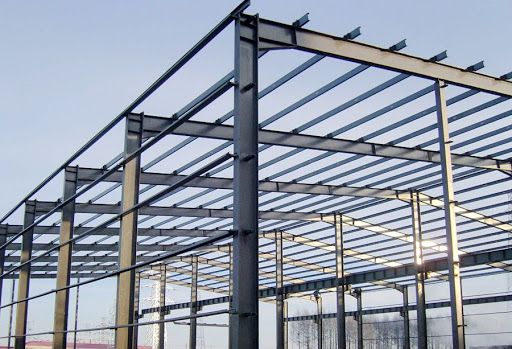
Erection shall begin with the erection of braced bays, these braced bays provide support for the other members during erection.
Whichever installation method is preferred by the erector, they should incorporate proper erection bracing, which may be more substantial than the permanent bracing of the building. Bracing furnished by the Manufacturer for the Metal Building System cannot be assumed to be adequate during erection.
Placement of Insulation
Insulation is placed after the secondary steel is installed, but before the cladding. In buildings with fiberglass insulation under through-fastened roofing, the roofing is attached to purlins right through the insulation.
Iconic JK recommends letting the roof insulation overhang the framing edge, removing about 150 mm of fiberglass from its facing, and then folding the facing back over the insulation to prevent wicking of moisture.
The attachment of roof blanket insulation is a hazardous job, because no roofing is yet installed to support the workers in case of a fall. Adequate safety arrangement should therefore be made.
Installation of Roofs and Wall Panels
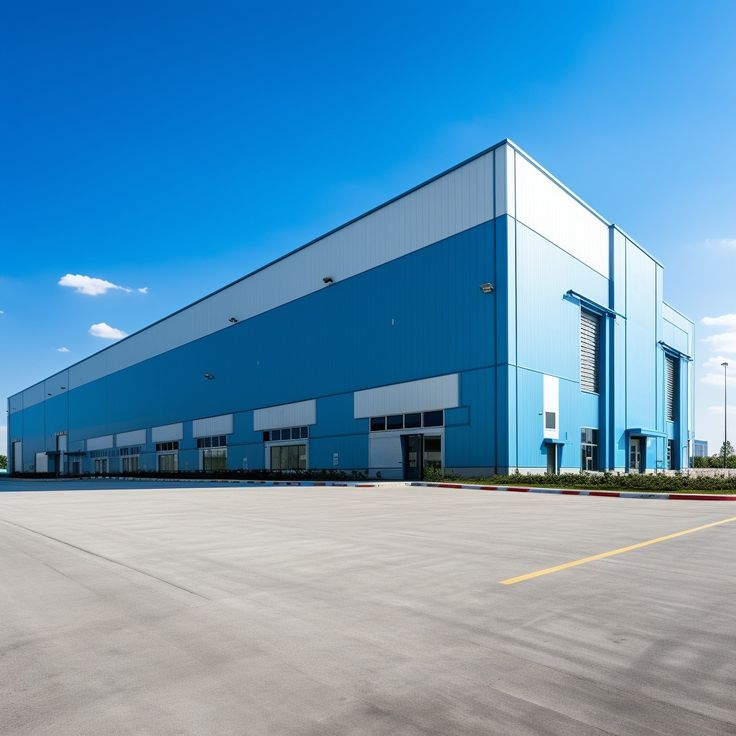
Whether roof or wall panels are installed first, is a matter of the erector's preference. We favor erecting the roof first to allow for any interior finishing work to begin and to improve the roof diaphragm action in the partially constructed building.
Installation of roof panels usually starts at one of the end walls chosen to allow for panel placement in the direction opposite to the prevailing winds; this sequence is intended to decrease the chances of wind-blown water intrusion into the panel side-laps.
Stepping on the panel ribs is strongly discouraged by the manufacturers, as is walking on partially attached or unattached panels. The safe way to walk on a fully fastened roof is to step on walk boards laid in the panels' flat areas and spanning between the purlins.
To prevent slippage, the walk boards should be secured to the roofing. If stepping on the panels is unavoidable, one should attempt to walk directly above the purlins where possible and to stay away from the middle of the flat panel part.
Wall panels are installed similar to roof panels.
Equipment & Tools
Cranes & Hoists
Mobile and tower cranes for heavy lifting
Power Tools
Impact wrenches and welding equipment
Survey Tools
Laser levels and total stations